Since we are immersed in the holiday season I thought I would send out a bit of information regarding sustainability, dish washing, reducing waste, and water use. The following list contains past observations of common occurrences I have seen at homes of my friends and families:
- Letting the water run while washing dishes – this is the most important to reduce!
- Using disposable tableware – usually because it’s easier.
- Using plates, cups, silverware, bowls; setting them down, not remembering where they are; and grabbing new ones – especially problematic when there are lots of people together
- Washing the dishes before putting them in the dishwasher
- Running the dishwasher with 1/4 or 1/2 loads
- Only using dish towels/shower towels once and then finding new ones.
- Throwing away leftovers and food scraps
These actions are not a result of ignorance, but of ease and convenience. It’s easier to throw things away rather than washing them. It is a luxury to have running water and we are so used to it coming out of the faucet that we don’t even think about its finiteness. Often time we see friends and family we haven’t seen in long periods of time so we cut corners to spend more time with them. The holidays are crazy and its nice to have these modern conveniences, but we must remember that the holidays produce enormous amounts of waste and all that food, supplies, and water must come from somewhere or end up somewhere. So here are a few recommendations on how to reduce your impact this holiday season and be a better environmental steward without drastically changing your life.
The most important is to be conscious of your resource use; especially water. For those of you living in arid regions, please turn the water off when you are not directly using it. It doesn’t need to be running. If you can begin to think about your usage and try to make small changes, you are making positive changes in the right direction. So let me address my list directly and offer practical changes, and remember, you don’t need to change your entire life to be less impactful, it’s the additive affects that make big differences. Imagine if every family this holiday season conserved 5 gallons of water, or used regular plates instead of disposable, or composted every bit of food waste.
Letting the water run while washing dishes.
* The biggest and most important thing you can do is to turn the water off. Over the years I can’t tell you how many people leave the water running when they aren’t even standing by the sink, or while they are scrubbing a plate. TURN OFF THE WATER – hands down the biggest and most important conservation strategy you should strive for out of all of these.
Using disposable tableware – usually because it’s easier.
* Buy paper or biodegradable instead of plastic.
* Instead of buying ALL your tableware as disposable; use regular silverware and buy the other products as disposable. Start small and then next year, only buy two disposable products and slowly phase them out.
* If you are having large gatherings, look for programs in your area that offer reusable tableware. Friends of Flagstaff’s Future lends reusable, BPA free tableware (Zero Waste Event) for free. You don’t have to buy anything or throw anything away. If you can’t find a program in your area, start a program with your neighbors, borrow or lend dishes, create a community around your holiday meals.
Using plates, cups, silverware, bowls; setting them down, not remembering where they are; and grabbing new ones – especially problematic when there are lots of people together.
* Be cognizant of where you put it or put it in a special place every time.
* Mark it with a sharpie and reuse them if you buy disposable or attach stickers to the tableware.
* Create sustainability game time family fun! Who doesn’t love a bit of competition? * Put stickers on certain cups or plates and offer prizes at the end of the night for the person who still has the sticker. You could turn it into an art competition and judge the artwork on the disposable tableware. Or create a code on the cups or plates that your family will have to put together.
* Charge people – If you lose your designated tableware, or need another dish, you must buy a new dish. The money collected at the end of the night could go to a charity, a food bank, a shelter, or even to buy that nights ice cream for the kids.
* Another option could be to do a pot winner Mark some tableware with stickers. Everyone kicks in $5. Whoever has the stickers at the end of the night gets to split the pot.
Washing the dishes before putting them in the dishwasher.
* Here is a link that provides some energy and water use data for the dishwasher – hand washing debate.
* Always do a full load!
* Turn off the dryer setting will save you electricity and money – just let them dry over night – or towel dry them if you really need them.
* You don’t need to let the water run while you rinse off all the dishes before putting them into the dishwasher.
* You also don’t need to wash before putting them in. Instead, plug the sink, put enough water in the sink to submerge dishes, then dip them in and brush off excess food with your hands. They won’t be spotless, it will save water, and you won’t clog the dishwasher with food.
* If you prefer to hand wash, be mindful of your water use. Honestly, I can say that I wash and rinse a really large load of dishes (more than 10 people) with no more than 3 gallons of water – I know because I record my data and I have never used more than 3 gallons. Usually, it’s about 1 – 2 gallons. For me, I prefer to do it myself. However, some people prefer the dishwasher, and that is fine, but be mindful of your water use. Here’s how I attack my dishes.
1. Scrape as much food off first.
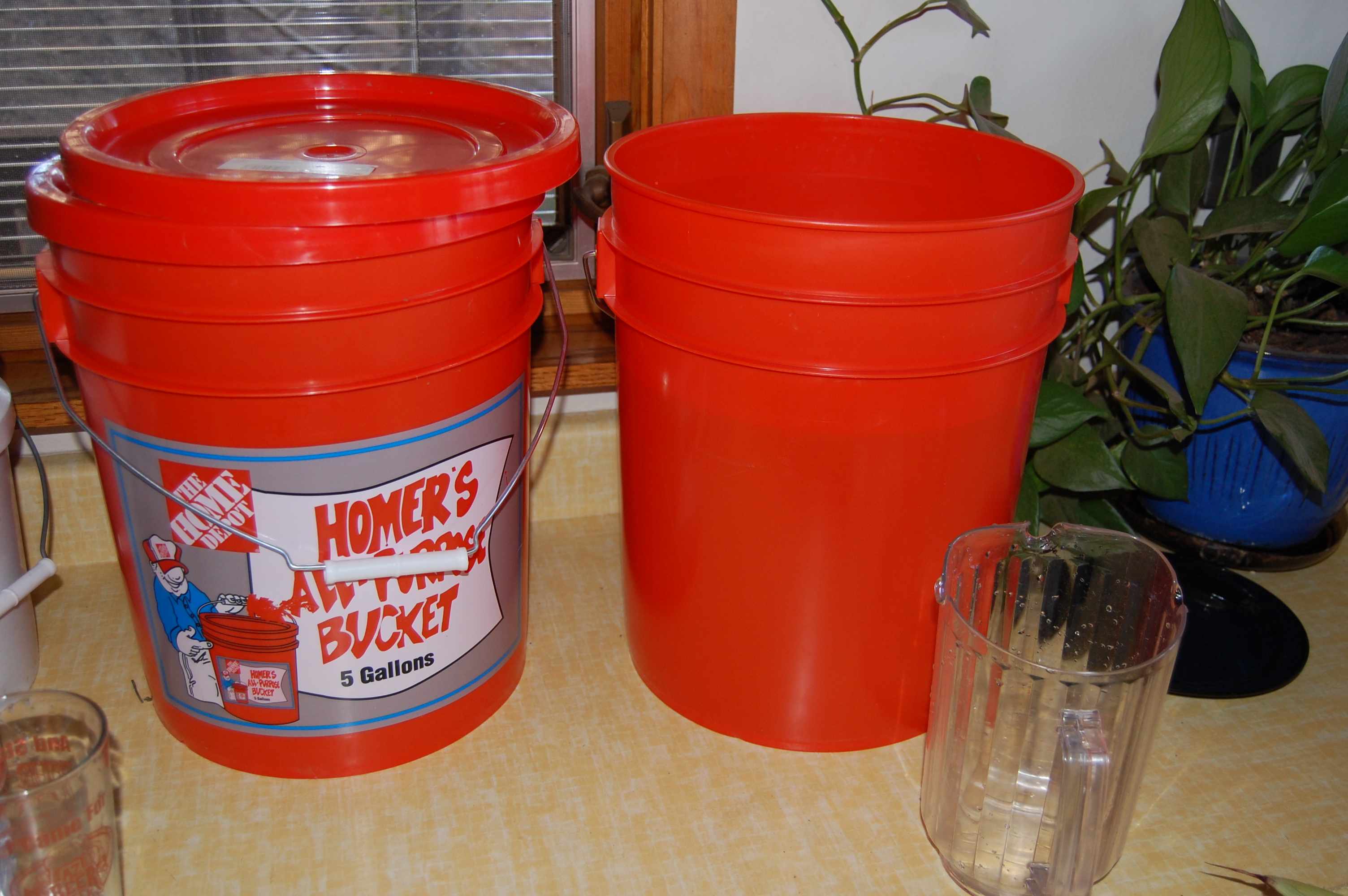
2. Have a mess bucket on the side – this is for excess liquids (coffee, beer, wine, melted ice cream, etc). The point is to keep your washing water as “clean” as possible.
3. In one sink put a plastic tub (2 gallons) inside and put in some (~ 0.5 gal) warm/hot water (cold will save you energy, but warmer cleans better). I use biodegradable soap and then do my washing in this tub. I don’t turn the water on, unless I need a bit more because it’s already there in the tub. When I do turn the water on, it gets collected and I can keep using it.
4. I place all these soapy dishes into the next sink with a plastic tub until it fills up. I get a bit crazy here though and I wash the small stuff first and go up in size because I can fit more into the rinse tub. But usually I stop washing before the pots and pans because they take up a lot of room.
5. I use cold water to rinse because it helps to “break down” the soapiness and I turn it down to about 0.5 gal/min. As I rinse the plates and bowls over the smaller dishes, the water that comes off helps to rinse the smaller dishes in the tub below. When I set the dish into the drying rack, I turn off the sink to reduce unnecessary water use. By the end of the rinse, I can just use the water that has accumulated in the tub to rinse off the smaller dishes and I do not have to turn on the sink again. If there is a lot of soap on a dish, I might turn on the sink real quick, but usually its not necessary.
6. After the first round, I will get the pots and pans. Usually these have some water in them to soak because there is always that food stuck to the sides. I dump that water and food combo into the mess bucket so it doesn’t make my wash water dirtier.
7. Again I wash and I can usually rinse with the rinse water already in the sink.
8. When I am finished with everything, I dump the wash water onto my surrounding trees, I pour the mess bucket down the disposal and grind up the food, and the rinse water becomes the wash water for the next set of dirty dishes.
9. Give it a try – I hope it helps. The other part of washing dishes that I enjoy is that when there is an assembly line of people in the kitchen helping, it goes faster but more importantly, fosters communication and bonding time.
Running the dishwasher with 1/4 or 1/2 loads
* This ones easy – ALWAYS wash a full load. It’s a more efficient use of your water, energy, and ultimately, your $$$$. And, if you do it at night it’s usually cheaper depending on the plan you have set up with your energy provider.
Only using dish towels/shower towels once and then finding new ones.
* Again, put these in special places so you don’t have to use more energy and water to wash these. If you are drying dishes, they are clean, so all you are doing is soaking up clean water with the towels so there’s no worry they are dirty. Hang them to dry and use them again. Shower towels can be used many times too, you’re clean, its clean water, let it dry and use it again. Pool/hot tub towels will smell like chlorine, but if you hang them to dry and use them again, you will still want to shower after so they can be reused too. Again, when you do laundry, do it at night because it may be cheaper.
Throwing away leftovers and food scraps
* This might be a great opportunity to start a compost pile!!! You don’t need a fancy tumbler. A barrier of rocks or bricks covered with a piece of wood or screen will be enough to keep critters away. Even if you never use the compost in a garden, you will make a great pile of rich soil in your yard and reduce the amount of waste going into a landfill. Here are some helpful links to get you started:
– EPA – Composting
– Calrecycle
– Living Green
* This could also be a great opportunity to get involved with your community. You can find people like the Flagstaff EcoRanch who will gladly accept your compost. Maybe a neighbor collects it; put it into a bucket and bring it over the next day and get to know what they do with it.
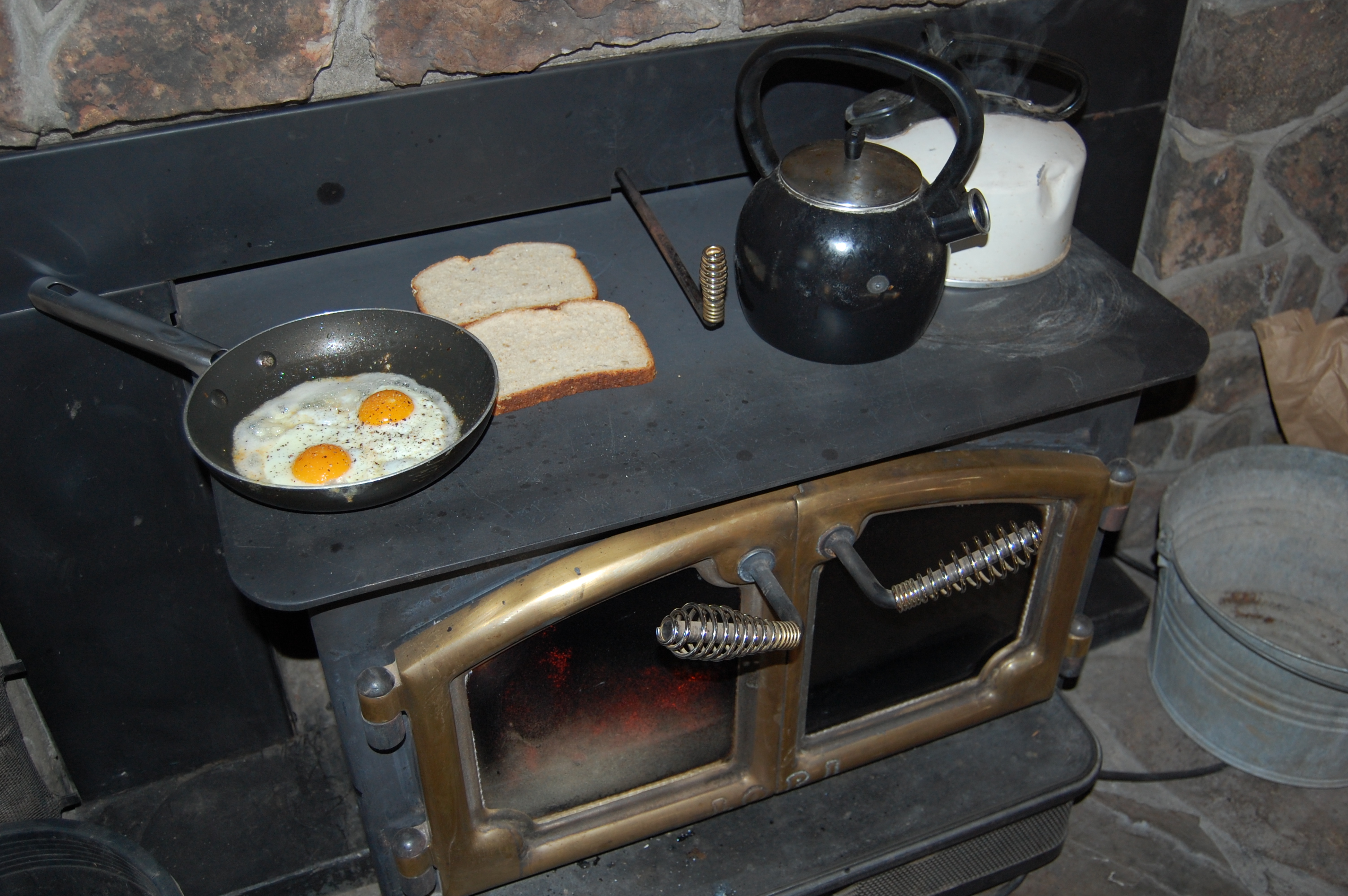
* Or, this could be the opportunity to start keeping chickens. Feed your food scraps to your chickens or find a neighbor (like the Flagstaff EcoRanch) and give your food scraps to them. If you have your own, enjoy knowing that the food waste from your wonderful holiday meal has now gone to giving you delicious eggs you can eat for breakfast the next morning.
Remember, be mindful of your use, be mindful of your waste, and be practical with your sustainability – you will be more successful and see longer term results if you don’t overwhelm yourself from the get go! As always, if you have other suggestions or ideas, please respond to this post or send us an email. Happy holidays to you all and happy conserving!





 Flagstaff EcoRanch